
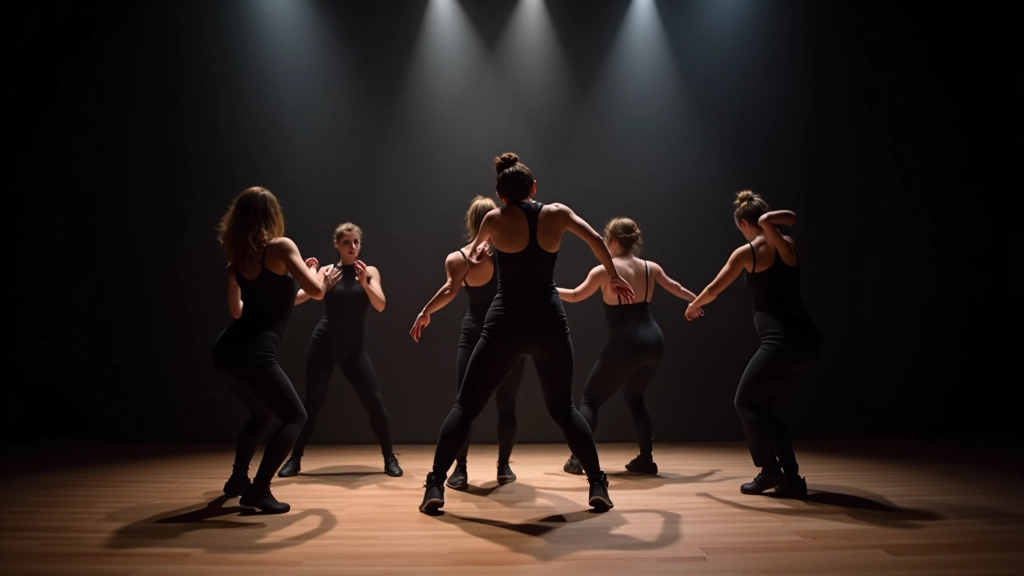
Lisbon Dance Week Features International Choreographers
Contemporary dance takes center stage as seven countries showcase their brightest emerging artists…
Read MoreThe annual summer theatre festival draws record crowds. Five weeks of classical and modern performances fill the historic outdoor amphitheater.
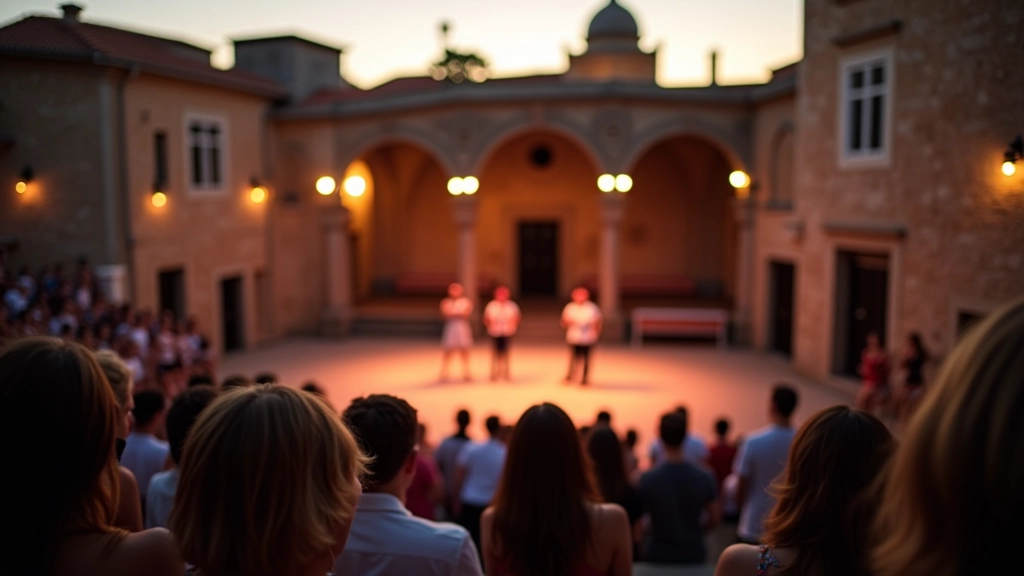
Every July, the medieval town of Covilhã transforms into a vibrant cultural hub. The theatre festival has become the region’s most anticipated event — and this year, organizers didn’t expect quite what happened. All performances sold out within two weeks of ticket sales opening.
We’re talking about 15,000+ theatre enthusiasts from across Portugal and beyond. That’s not typical for a regional festival. It reflects something real: people are hungry for live performance again, especially the kind that happens under open skies with genuine storytelling at its heart.
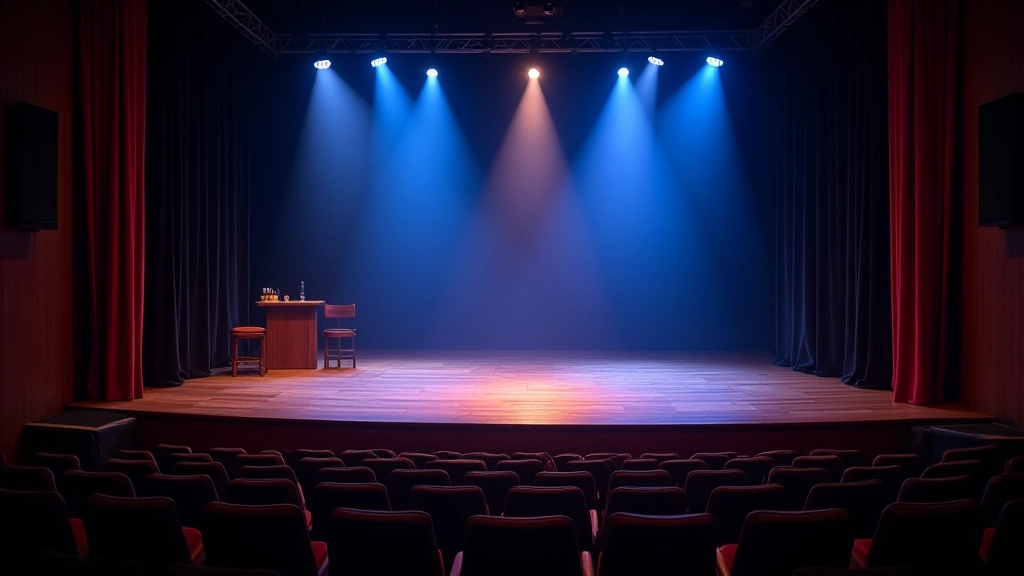
The 2026 program balances classical theatre with contemporary work. You’ve got Shakespeare productions alongside new Portuguese plays. There’s experimental dance. There’s comedy that doesn’t rely on trends from social media.
Five weeks means 47 performances total. The festival runs evenings Thursday through Sunday, with matinees on weekends. Opening week features a production of “Hamlet” directed by João Gomes — he’s known for taking classical texts and making them feel urgent and relevant. It’s not stuffy theatre. It’s the kind that makes you lean forward in your seat.
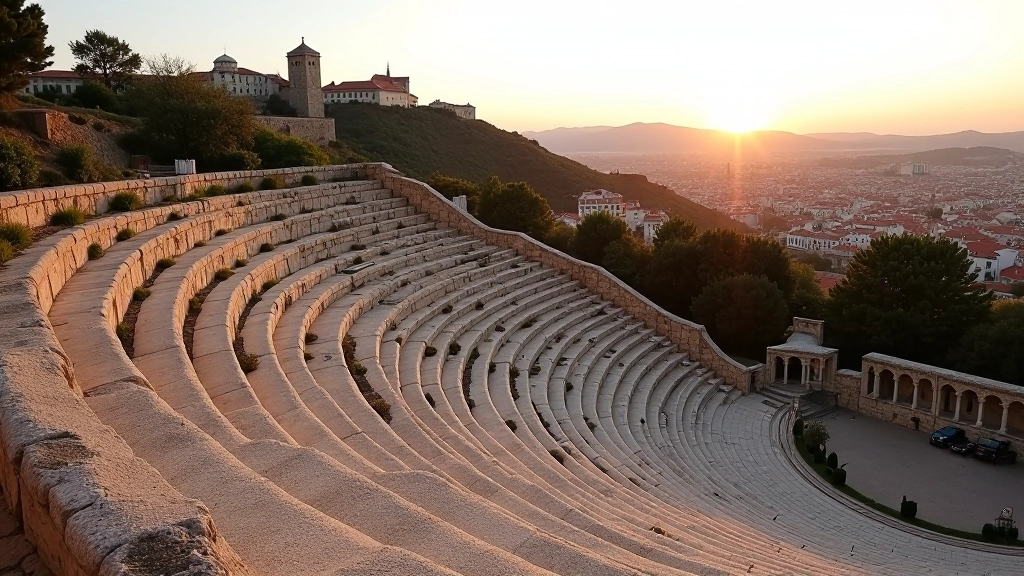
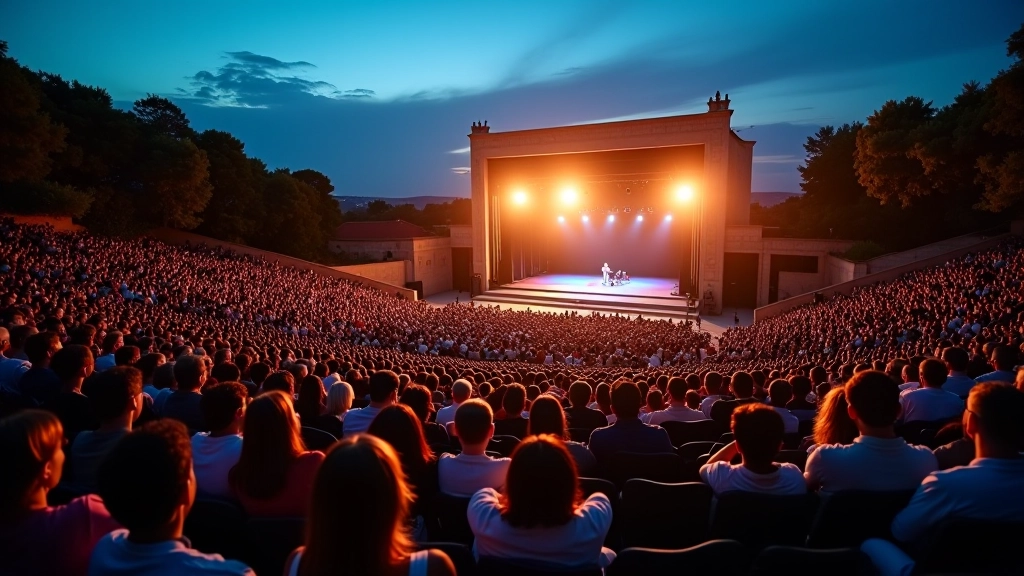
Covilhã’s amphitheater sits carved into a hillside overlooking the town. It’s not a modern venue. It’s centuries old, and that changes how you experience theatre. Acoustics are naturally perfect — no amplification needed for most performances. You hear actors’ voices carry across the stone exactly as intended.
The setting itself becomes part of the production. Summer light shifts across the stage as evening arrives. Stars appear gradually. There’s something about live performance in that environment that feels less commercial, more communal. You’re not in a dark box watching entertainment. You’re gathered with hundreds of people under the open sky, witnessing storytelling that’s been happening in this exact space for generations.
That’s probably why tickets vanished so quickly. The 40-60 crowd — the festival’s core audience — remembers what live theatre was before streaming and home entertainment. They understand you can’t replicate this experience on a screen.
July 3-31, 2026. Thursday through Sunday evenings, with weekend matinees at 3pm. Plan ahead — most performances already have waiting lists.
Covilhã sits in central Portugal, about 2 hours from Lisbon by car. Parking is available near the amphitheater. The town center has hotels, restaurants, and cafes within walking distance.
Summer evenings cool down. Bring a light jacket or wrap. The amphitheater has stone seating — cushions aren’t provided, so many people bring their own. Performances run 90-120 minutes without intermission.
The festival grounds have a small bar serving wine, beer, and light snacks. Arrive early to grab a table outside the amphitheater before your show. Local restaurants are a short walk away.
Covilhã has excellent hiking trails in the Serra da Estrela mountains nearby. The town’s traditional wool industry created historic buildings worth exploring during the day.
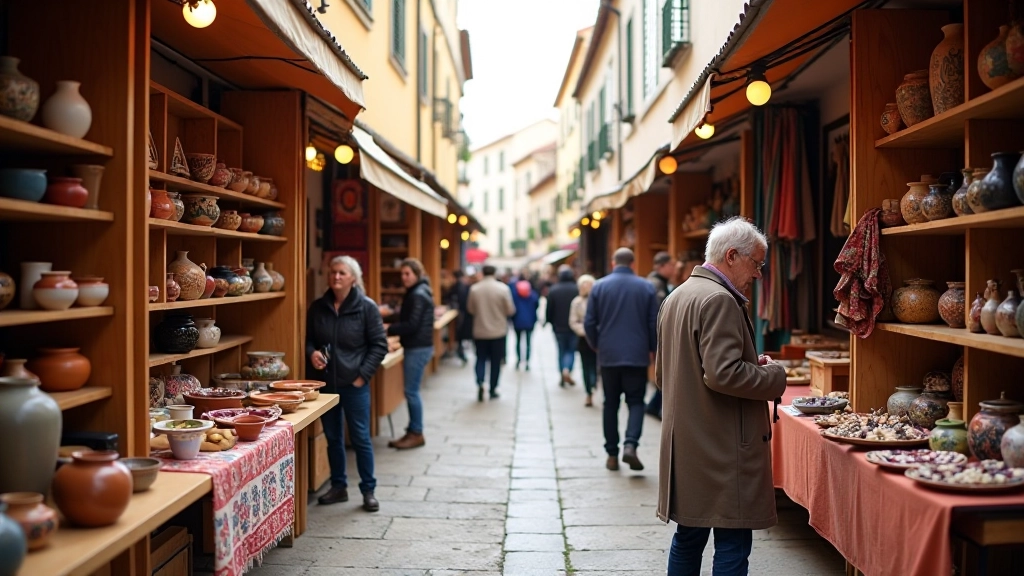
The festival isn’t just performances. There’s a maker’s market featuring local artisans selling ceramics, textiles, and crafts. Many visitors stay for the full experience, not just the shows.
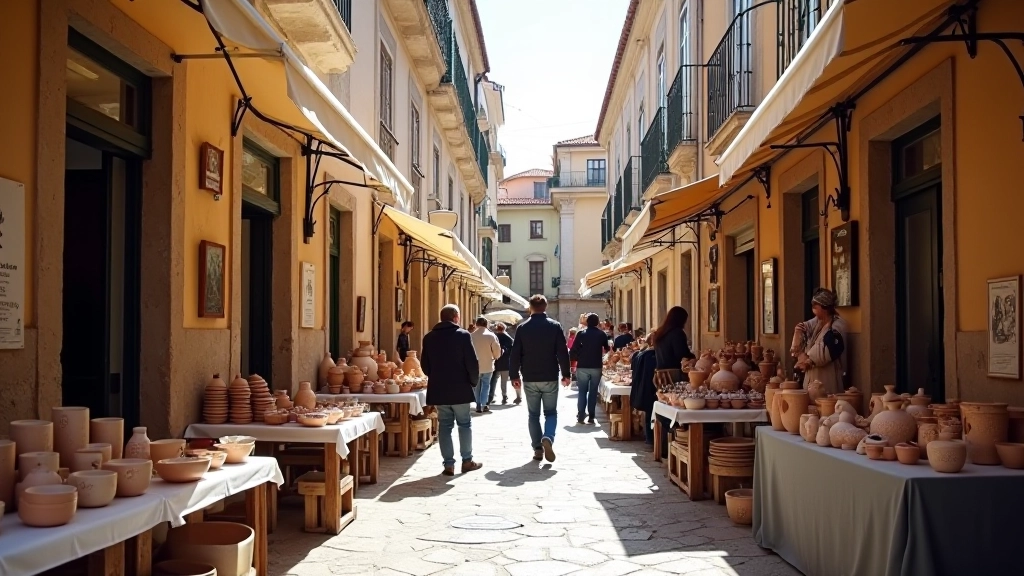
Theatre alone doesn’t make a festival. Covilhã’s organizers understood that. They’ve built a complete cultural experience. Running parallel to the performances is an artisan market featuring local craftspeople — potters, weavers, woodworkers, jewelers. These aren’t tourist-trap vendors. They’re serious makers selling work they’ve spent months creating.
The market operates daily during festival hours. You can wander between performances, grab a coffee, browse handmade ceramics, and actually talk with the people who made them. It’s the kind of cultural programming that appeals specifically to the 40-60 audience. They’re not looking for mass-produced merchandise. They want authenticity and craftsmanship.
The sold-out status tells you something important about cultural appetite. It’s not that people suddenly got interested in theatre. It’s that they’re actively seeking experiences that feel real and communal. Streaming is convenient. A video is accessible. But sitting in an amphitheater watching actors perform live, under stars, with a crowd of strangers who become your community for those two hours — that’s irreplaceable.
Covilhã’s success also reflects Portugal’s growing role as a cultural destination. This isn’t Lisbon or Porto pulling tourists. It’s a smaller city attracting people specifically for authentic cultural programming. That shift matters for regional economies and for preserving the kinds of experiences that don’t scale well in the commercial entertainment world.
“I wasn’t expecting to be this moved by a classical production. But watching Hamlet performed in an open-air amphitheater, with real actors and real staging — it reminded me why I fell in love with theatre decades ago. You can’t get that from a screen.”
— Helena, audience member, 2025 festival
The 2026 festival runs July 3-31. Tickets are scarce but worth seeking out. Even if this summer doesn’t work, mark your calendar for next year. This is the kind of cultural experience worth planning around.
Learn More About the Festival
This article provides informational content about the Covilhã Theatre Festival and cultural events in Portugal. Festival details, dates, and programming are accurate as of March 2026, but are subject to change. We recommend verifying specific performance schedules, ticket availability, and venue information directly through official festival channels before making travel plans. Circumstances, weather, and programming may vary. This content is educational in nature and designed to help you understand and plan cultural experiences in the region.