

Covilhã Theatre Festival Opens with Sold-Out Shows
The annual summer theatre festival draws record crowds. Five weeks of classical and contemporary performances…
Read ArticleLocal artisans showcase ceramics, textiles, and woodwork in the historic walled village. Weekend market runs through April with live demonstrations and workshops.
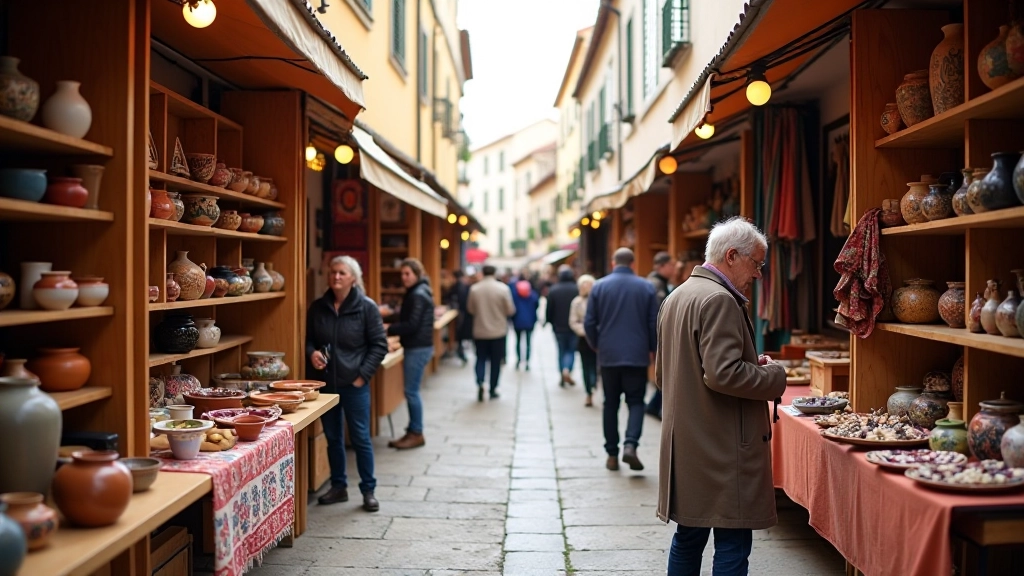
Every spring, something special happens in Óbidos. The narrow medieval streets come alive with color, craft, and conversation. This year’s market is bigger than ever — over 40 artisans from across Portugal are setting up stalls, and they’re bringing their best work.
What makes this market different from typical tourist attractions? These aren’t mass-produced souvenirs. You’re looking at ceramics hand-thrown by potters who’ve spent decades perfecting their technique, textiles woven on traditional looms, wooden furniture built to last generations. The artisans are there too — not just selling, but demonstrating their craft in real time.
The market stretches across three main courtyards within the medieval walls. You’ll discover distinct areas — ceramics dominate the main square, textiles fill the covered arcade, and woodwork occupies the quieter courtyard by the old church. This layout creates natural spaces to explore without feeling rushed.
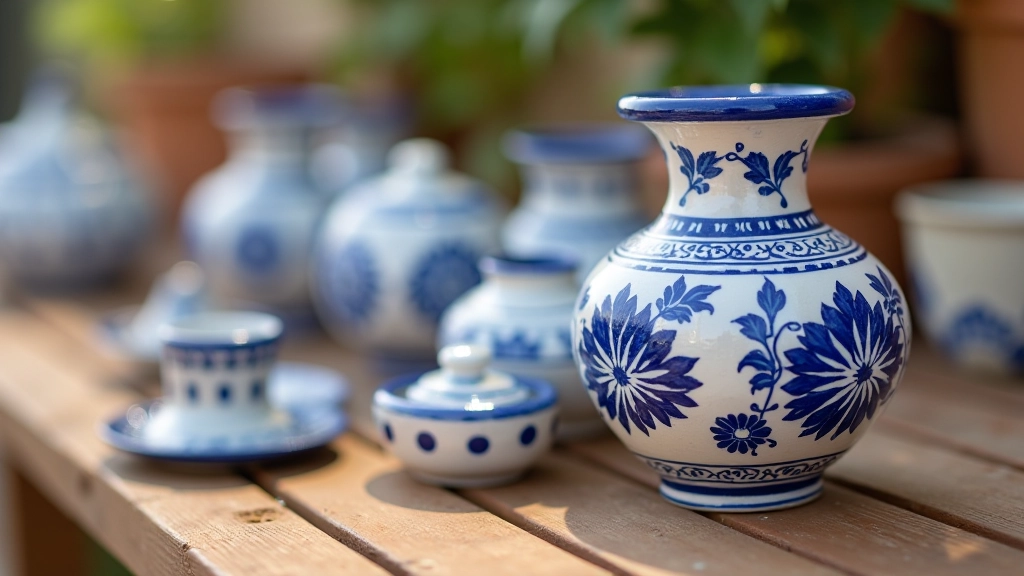
Handmade bowls, tiles, and decorative pieces. Many pieces use traditional cobalt and white glazing techniques passed down through families.
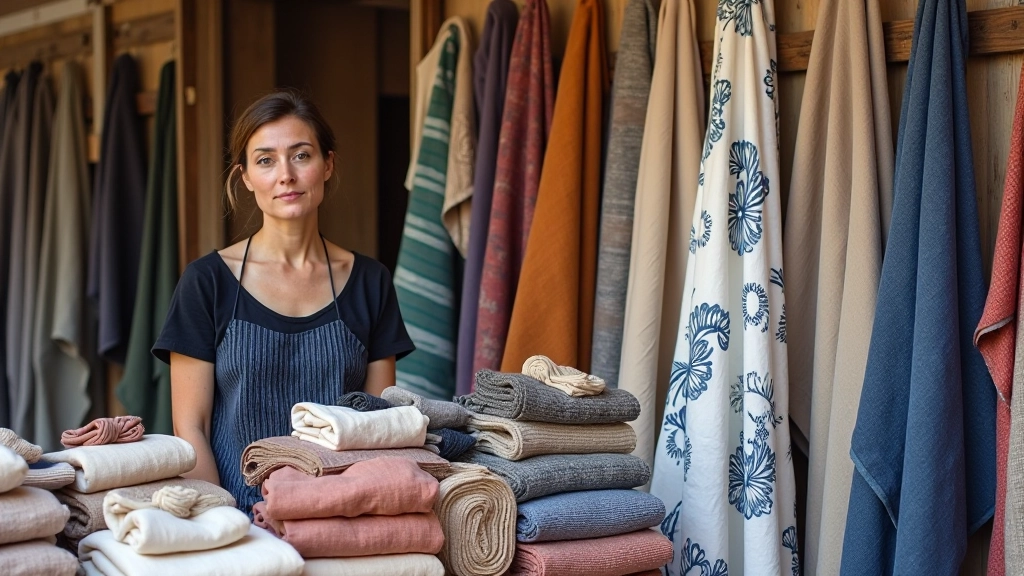
Linens, rugs, and woven goods created on traditional looms. You’ll see wool blankets and linen napkins with patterns that haven’t changed in centuries.
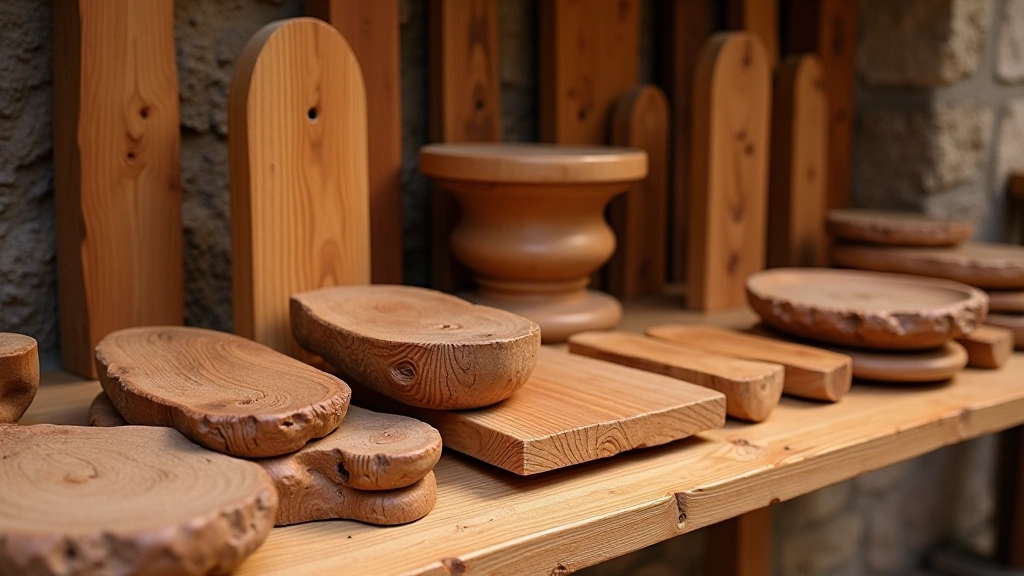
Carved boxes, hand-finished chairs, and decorative pieces made from Portuguese oak and pine. Each piece is unique and built to last.
Here’s what really sets this market apart — you don’t just observe the crafts. Throughout each weekend, artisans conduct live demonstrations. Watch potters throw clay on traditional wheels. See weavers working their looms with incredible speed and precision. It’s mesmerizing, honestly.
The workshops are hands-on experiences. You’ve got beginner pottery sessions on Saturday afternoons (two hours, small groups). Textile printing workshops run Sunday mornings where you’ll create your own patterns. These aren’t museum experiences — they’re actual skill-building sessions. Most people come away with something they made themselves, which is pretty special.
Registration happens on-site, first-come-first-served. Saturday workshops fill up by mid-morning, so arriving early matters if that’s your priority. Sunday tends to be more relaxed with shorter queues.
Weekends only: Saturdays 10am–6pm, Sundays 10am–5pm. Market runs through April 27th. Each weekend has slightly different artisans rotating in, so repeat visits offer fresh discoveries.
Throughout Óbidos medieval town center. Main entrance is through the main gate. Parking is available outside the walls with free shuttle service. The entire market area is pedestrian-only during event hours.
Óbidos is 80km north of Lisbon (about 90 minutes by car). Direct trains run from Lisbon Santa Apolónia station to Óbidos — the journey takes roughly 1.5 hours and trains run every 2 hours.
Comfortable walking shoes are essential — cobblestones and stairs cover the medieval layout. Bring cash for smaller vendors, though most accept cards. Weather in March-April is mild, so layers work better than heavy coats.
“Last year’s market changed how I think about what I buy. When you watch someone spend three days glazing a single bowl, you understand why handmade costs more. It’s not a product — it’s months of practice turned into something real.”
— Helena, visitor from Porto
Here’s something worth thinking about: traditional crafts in Portugal are actually disappearing. The artisans at this market aren’t doing this for easy money. Most are driven by genuine passion for their craft. Many teach apprentices, keeping techniques alive for younger generations.
When you purchase from these artisans, you’re not just buying an object. You’re directly supporting the continuation of these skills. That pottery bowl? The money goes directly to the potter, helping them afford materials for the next batch and time to train someone in their methods.
The market itself is a conservation effort. Óbidos Tourism Council created this event specifically to create sustainable income for traditional artisans, allowing them to keep practicing their craft full-time. It’s one of the few markets in Portugal where 100% of vendor fees go toward artisan support programs.
This market isn’t about Instagram moments or collecting souvenirs. It’s genuinely about experiencing craft — watching skilled hands at work, learning why things take time to make properly, and understanding that objects can carry real meaning and history.
Whether you’re interested in ceramics, textiles, woodwork, or you’re just looking for a different way to spend a weekend, Óbidos’ traditional crafts market offers something increasingly rare. It’s a place where you can still see people dedicated to making things beautifully, by hand, the way they’ve been made for centuries.
The information provided in this article is for educational and informational purposes only. Details about market dates, times, artisan participation, workshop availability, and logistics are based on 2026 planning and may be subject to change. We recommend visiting the Óbidos Tourism official website or contacting them directly for the most current information before planning your visit. Workshop availability, artisan participation, and specific offerings can vary by weekend. All details are accurate to the best of our knowledge as of March 2026.